AI for Restaurants: Tools That Cut Costs and Boost Service in 2026
Discover AI tools transforming restaurants in 2026. From AI phone ordering to smart scheduling, these tools help restaurants compete and profit.
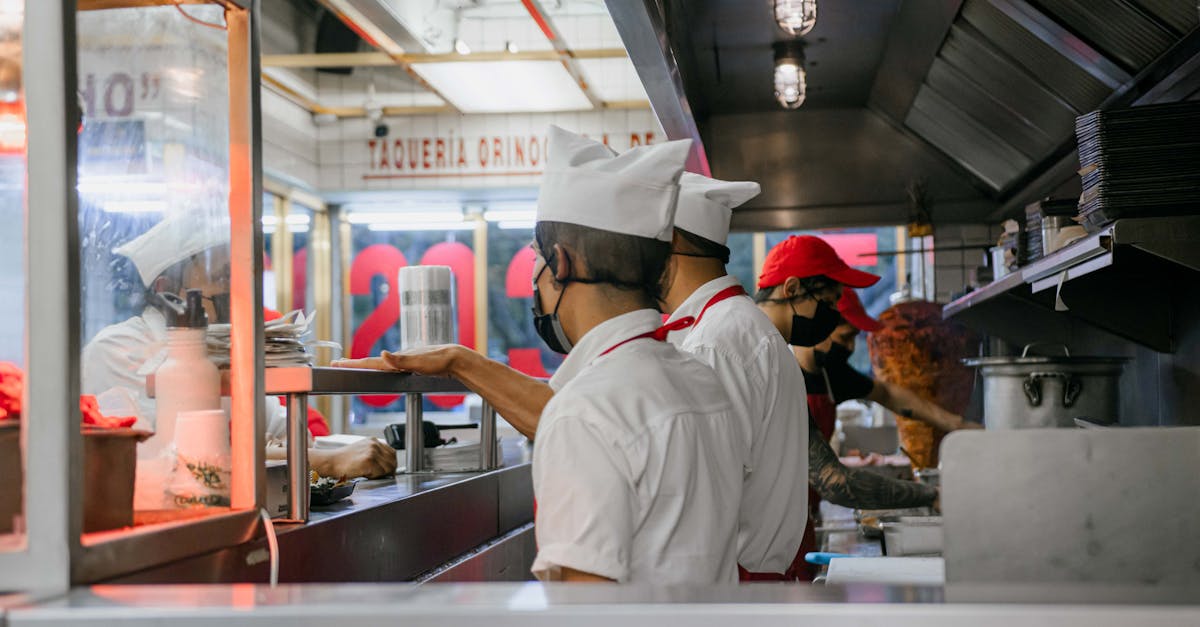
2026 is the year AI moved from restaurant novelty to operational necessity.
That is not marketing hype. With labor costs up 30% since 2020 and staff shortages persisting, restaurants need technology that actually works. AI is finally delivering.
86% of restaurant operators now report being comfortable using AI. The question is no longer whether to adopt, but what to implement first.
Why Restaurants Need AI Now
Three forces are pushing adoption:
Labor Shortages Persist Restaurants still cannot find enough workers. AI handles tasks that do not require human touch, letting available staff focus on hospitality.
Margins Remain Tight Food and labor costs keep climbing. AI reduces waste, optimizes scheduling, and captures revenue from missed calls.
Customer Expectations Changed Diners expect speed, accuracy, and personalization. AI delivers all three without adding headcount.
The restaurants thriving are those using AI for repetitive work while humans focus on what they do best: hospitality, cooking, and guest connection.
AI Phone Ordering Systems
Restaurants miss 20-30% of phone calls during busy periods. Each missed call is a lost order. AI phone systems fix this completely.
How It Works
AI phone systems answer calls, understand natural speech, take orders, answer questions, and process payments. Callers often cannot tell they are talking to AI.
Certus AI
Certus AI specializes in restaurant phone handling.
What It Does:
- Answers calls 24/7 with natural conversation
- Takes orders and upsells appropriately
- Answers menu questions and hours
- Handles reservations
- Transfers complex requests to staff
Best For: Independent restaurants losing orders to missed calls.
Major Chain Implementations
Wendy's: Partnered with Google Cloud for AI chatbot drive-thru orders at hundreds of locations.
White Castle: Implementing AI voice bots in 100 drive-thru lanes.
These are not experiments. These are system-wide rollouts based on proven results.
ROI Calculation
| Metric | Before AI | After AI | Monthly Impact |
|---|---|---|---|
| Calls answered | 70% | 99% | +29% orders |
| Average order value | $18 | $21 | +17% (AI upsells) |
| Staff time on phones | 4 hrs/day | 30 min/day | 3.5 hrs saved |
For a restaurant averaging 50 calls daily with 30% missed, AI phone systems often pay for themselves in the first week.
Smart Scheduling Tools
Restaurant scheduling is complex. Varying demand, employee availability, labor law compliance, and budget constraints all compete.
AI Scheduling Solutions
AI scheduling tools analyze historical data, predict demand, and create optimized schedules automatically.
Fourth (HotSchedules)
Fourth combines demand forecasting with scheduling optimization.
How It Works:
- AI analyzes sales patterns and external factors
- Predicts staffing needs by hour
- Creates schedules respecting availability and compliance
- Adapts to real-time changes
Results: Distinctive Inns cut labor costs by 2.8% while growing same-store sales by 7.7%.
7shifts
7shifts focuses specifically on restaurant scheduling with AI assistance.
Key Features:
- Demand forecasting
- Auto-scheduling based on employee skills and availability
- Mobile app for shift swaps
- Labor cost tracking in real-time
Best For: Multi-location restaurants wanting unified scheduling.
Scheduling ROI
| Before AI | After AI |
|---|---|
| Manager: 4 hours/week creating schedule | Manager: 30 minutes reviewing AI schedule |
| 8% overstaffing average | 2% overstaffing |
| Frequent call-outs without coverage | AI suggests backups automatically |
AI Inventory Management
Food waste costs restaurants 4-10% of food purchases. AI reduces this significantly.
How AI Inventory Works
AI tracks usage patterns, predicts demand, and suggests order quantities. Some systems integrate with suppliers for automatic reordering.
Key Benefits:
- Reduced over-ordering and waste
- Fewer stockouts of popular items
- Better cost tracking by ingredient
- Automatic reorder suggestions
BlueCart
BlueCart uses AI to optimize ordering from suppliers.
What It Does:
- Tracks inventory levels
- Predicts needs based on upcoming reservations and events
- Compares supplier prices
- Automates routine orders
Gemini Integration for Cost Analysis
Using AI tools like Gemini to analyze cost data can identify:
- Ingredients with unusual price spikes
- Dishes with declining margins
- Suppliers charging above market rates
This analysis that once required accountants now happens automatically.
Kitchen Display Systems With AI
Modern kitchen display systems (KDS) go beyond showing orders. AI optimizes cooking sequences and timing.
Smart Order Routing
AI analyzes incoming orders and routes them for optimal kitchen flow:
- Groups similar items for efficiency
- Sequences orders to ensure simultaneous completion
- Adjusts for cook time variations
- Reduces bottlenecks at stations
Vision AI for Food Safety
Vision AI monitors kitchen operations:
- Verifies proper food handling
- Checks plating against standards
- Monitors temperature displays
- Documents compliance automatically
Customer Messaging and Engagement
Responding to reviews, messages, and inquiries takes time. AI helps manage this volume.
SevenRooms AI Messaging
SevenRooms customers using AI-powered messaging show 27% faster response times for guest inquiries across email, SMS, and reviews.
Capabilities:
- Auto-responds to common questions
- Drafts review responses for manager approval
- Sends personalized booking confirmations
- Follows up after visits
Reputation Management
AI monitors reviews across platforms and:
- Alerts managers to negative reviews immediately
- Suggests response templates
- Tracks sentiment trends over time
- Identifies recurring complaints
Practical Implementation
Start With One Problem
Do not try to implement everything at once. Identify your biggest operational pain point:
Missed calls costing orders? → AI phone system Scheduling consuming manager time? → Smart scheduling Food costs too high? → AI inventory Review response delayed? → AI messaging
Solve one problem, prove value, then expand.
Integration Matters
The best AI tools integrate with existing systems:
- POS integration for real-time data
- Accounting integration for cost tracking
- Scheduling integration for labor management
- Reservation integration for forecasting
Avoid tools that create data silos.
Staff Training
AI tools help only if staff uses them. Budget time for:
- Initial training sessions
- Practice during slow periods
- Feedback collection from users
- Ongoing coaching as features evolve
Measure Results
Track before and after:
- Phone answer rate and order capture
- Labor cost as percentage of sales
- Food cost percentage
- Manager hours on administrative tasks
- Customer satisfaction scores
Data proves ROI and guides expansion.
Costs and ROI
Typical Monthly Costs
| Tool Type | Entry Level | Full-Featured |
|---|---|---|
| AI Phone Ordering | $200 | $500+ |
| Smart Scheduling | $50 | $200+ |
| Inventory AI | $100 | $400+ |
| Customer Messaging | $50 | $300+ |
ROI Timeline
Most restaurants see positive ROI within 30-90 days:
- AI phone systems: Often week one (captured orders)
- Scheduling: Month one (labor savings)
- Inventory: Month 2-3 (waste reduction)
- Messaging: Month one (time savings)
What AI Cannot Replace in Restaurants
Hospitality. The human warmth that makes dining memorable cannot be automated.
Cooking. AI assists with consistency and timing, but skilled cooks create great food.
Crisis Management. When things go wrong, human judgment handles unexpected situations.
Local Knowledge. Understanding your specific community and regulars requires human relationships.
Creative Menu Development. AI can analyze what sells, but creating new dishes requires human creativity.
The winning strategy: AI handles administrative and repetitive work. Humans focus on hospitality and craft.
The Future of Restaurant AI
What is coming:
Agentic AI. AI that handles multi-step tasks autonomously. "Prepare for the private event Friday" triggers scheduling, inventory ordering, and staff communication automatically.
Predictive Insights. AI that forecasts demand based on weather, local events, and trends before managers even ask.
Personalized Guest Experience. AI that recognizes returning guests and personalizes service based on preferences.
Robotic Integration. AI-controlled robots for repetitive prep tasks, with human cooks handling skilled work.
Getting Started
For Independent Restaurants
- Calculate missed calls using phone records
- If significant, trial an AI phone system first
- Track results for 30 days
- Expand to scheduling or inventory based on next biggest pain point
For Multi-Unit Operators
- Pilot AI tools at 2-3 locations
- Compare results against control locations
- Standardize successful implementations across portfolio
- Build central dashboards for oversight
For Quick Service
- Evaluate drive-thru AI ordering solutions
- Implement smart scheduling immediately (high-volume benefits most)
- Add inventory AI to control food costs
Related Resources
- AI for Small Business - General business AI guide
- AI for Business Automation - Workflow automation
- Best Free AI Tools 2026 - Free tools to try
- AI Customer Service Automation - Customer communication
- AI Scheduling Tools - Detailed scheduling guide
- AI for E-commerce - Online ordering optimization